
 A slow morning spent scrambling over rocks and peering into pools can become the highlight of your family's week with just a little curiosity and the right timing.
Rock Pooling with Kids: A Beginner's Guide to the Tiny Worlds at Low Tide
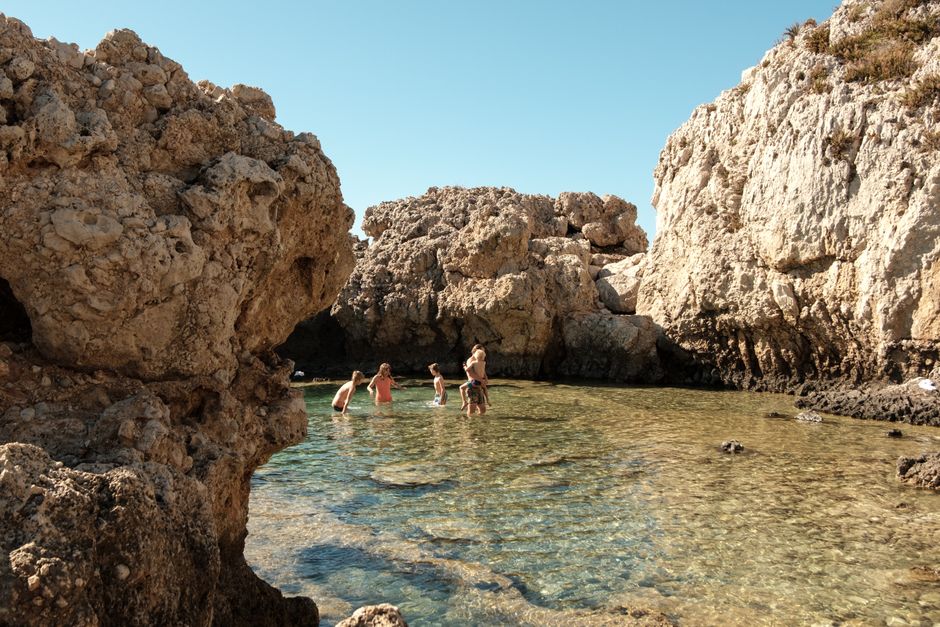
There's a moment that happens almost every time we take our kids rock pooling. Everyone goes quiet. The older one is crouched over a pool, nose almost touching the water, and the little one is pointing with one chubby finger at a hermit crab dragging its borrowed shell across the sand. Nobody is asking for a snack. Nobody is complaining about wet feet. The whole world has shrunk down to a puddle the size of a dinner plate, and somehow that's enough.
Rock pooling is one of those rare family activities that costs nothing, requires almost no planning, and works for nearly every age. But a little know-how makes the difference between a magical hour and a soggy, disappointing one. Here's what we've learned from years of clambering over rocks with small people in tow.
Timing, Tides, and the Right Gear
The single most important thing is the tide. You want to go during a low tide, ideally a spring low tide, which happens around the new and full moons and exposes the widest stretches of rocky shore. Check a local tide table before you leave the house, and aim to arrive an hour or two before low water so you have time to explore as the tide pulls back. Never turn your back on the sea, and keep an eye on the waterline the whole time. A beach that was wide and dry when you arrived can change fast.
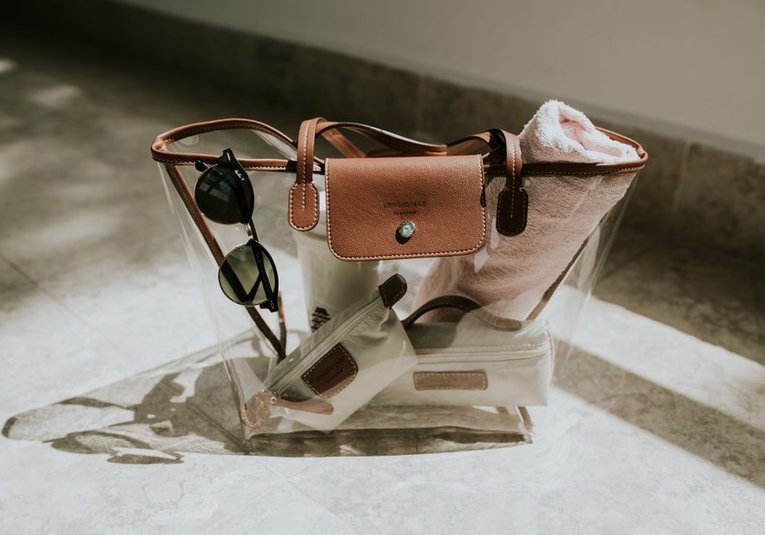
Gear-wise, you don't need much. Wellies or sturdy water shoes with grip are essential, because wet rocks are slick. We bring a small plastic bucket with a handle, a couple of soft-bristled paintbrushes for gently nudging creatures, and a magnifying glass that has survived more drops than I can count. A simple ID guide or a phone app helps you name what you find, which turns a crab into a velvet swimming crab and suddenly makes the whole thing feel like real science.
Dress for the weather, bring a towel, and pack a snack. Rock pooling is hungry work, apparently.
How to Explore Without Harming the Habitat
The rock pool is a home, not a toy box, and even small hands can be taught to treat it that way. Our family rules are simple. Look with your eyes first. If you pick something up, use wet hands rather than dry ones, keep it out of the water only briefly, and always put it back exactly where you found it, the same way up. A limpet that gets flipped over can't right itself. A crab that gets dropped on dry rock can't breathe.
Leave the bucket empty of water, or fill it only from the sea and return everything before you go. Never take shells that still have a creature inside, and leave the pretty empty ones too, because they become homes for others. Turn stones back over carefully, because everything underneath was relying on that dark, damp shelter.
We also like to give kids a job. Ours are official Finders, which means they spot things and call the rest of us over rather than grabbing. It sounds small, but it changes the whole dynamic from collecting to noticing.
The best part of rock pooling isn't the checklist of creatures. It's the slow, curious pace of it. It's the way a child learns that the ocean is full of tiny, busy lives that were there all along, just waiting for the tide to step back and let us look.