
 Practical, portable meals that survive a day at the shore, plus a few tricks for keeping hungry kids happy between swims.
Rocky Shore Walks with Little Legs: Pacing a Coastal Hike for Young Children
Before we had kids, a coastal walk meant striding along cliff paths for miles, ticking off headlands and feeling the burn in our legs. Then we had children, and our first attempt at a 'proper' hike ended with a four-year-old sitting down in the middle of the path and refusing to move. It was a humbling lesson. Coastal walks with little legs are a different sport entirely, and once we stopped fighting that, we started enjoying them again.
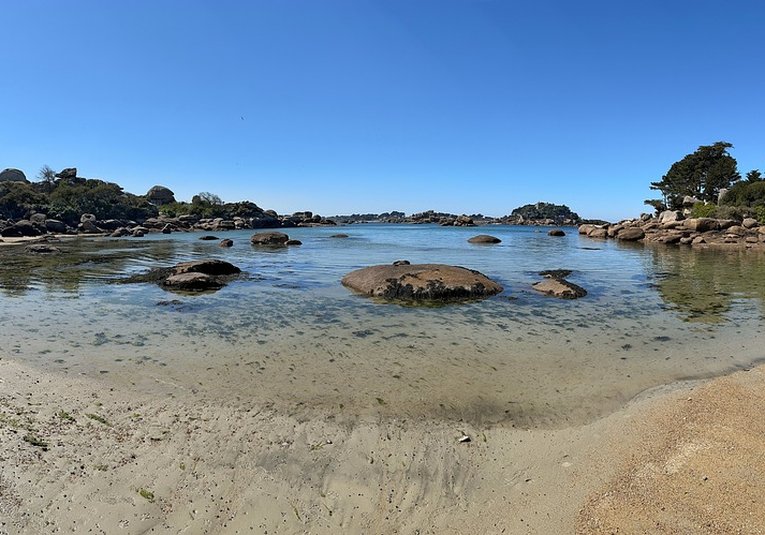
The biggest shift was letting go of distance. A good walk with young children might be a mile, or even half a mile, and that's completely fine. What matters is what happens along the way, not how far you get. We now plan walks around interesting features rather than viewpoints — a rock arch, a stream crossing, a beach at the end — so there's always something pulling them forward.
Pacing and Preparation
Timing is everything. We aim to set off in the morning when everyone's fresh, or after a nap and a snack if that suits better. We never start a walk when anyone is hungry or tired, because that's a guaranteed recipe for misery. Snacks go in every pocket — oat bars, dried fruit, a few sweets for the final stretch — and we build in a proper stop rather than eating on the move.
Footwear needs to be sturdy but familiar. New boots on a long walk are a bad idea; well-worn trainers or walking shoes are better. We bring a small backpack with water, a basic first aid kit, and a spare layer for each child, because coastal weather can turn quickly even on a sunny day. Sun hats and sunscreen in summer, waterproofs year-round — that's just coastal life.
We also plan for the walk back. It's easy to forget that little legs have to return the same distance, and the way home is often the hardest part. We try to make the return leg the more interesting one, or save a treat for the car park. Sometimes we carry them for the last stretch, and that's fine too. A walk that ends in tears isn't one they'll want to repeat.
Making It Their Walk
The real magic happens when you hand over some control. We give each child a job — one carries the map, one is in charge of spotting wildlife, one picks the snack stop. We let them lead the pace and choose which path to take at junctions, within reason. Suddenly it's their adventure rather than a forced march, and the complaints dry up.
We also keep a running list of things to spot: a bird, a boat, a shell, a flower, a bug. It turns the walk into a game and gives them a reason to keep looking up rather than down at their feet. And when we finally reach the beach or the summit, we stop properly — no rushing back. The point of a coastal walk with little legs isn't to cover ground. It's to fall in love with the ground you're on.