
 After years of lugging half the house to the sand, we've whittled our beach bag down to a handful of things that genuinely earn their place.
Camping on the Coast: What We've Learned from Sleeping Beside the Sea
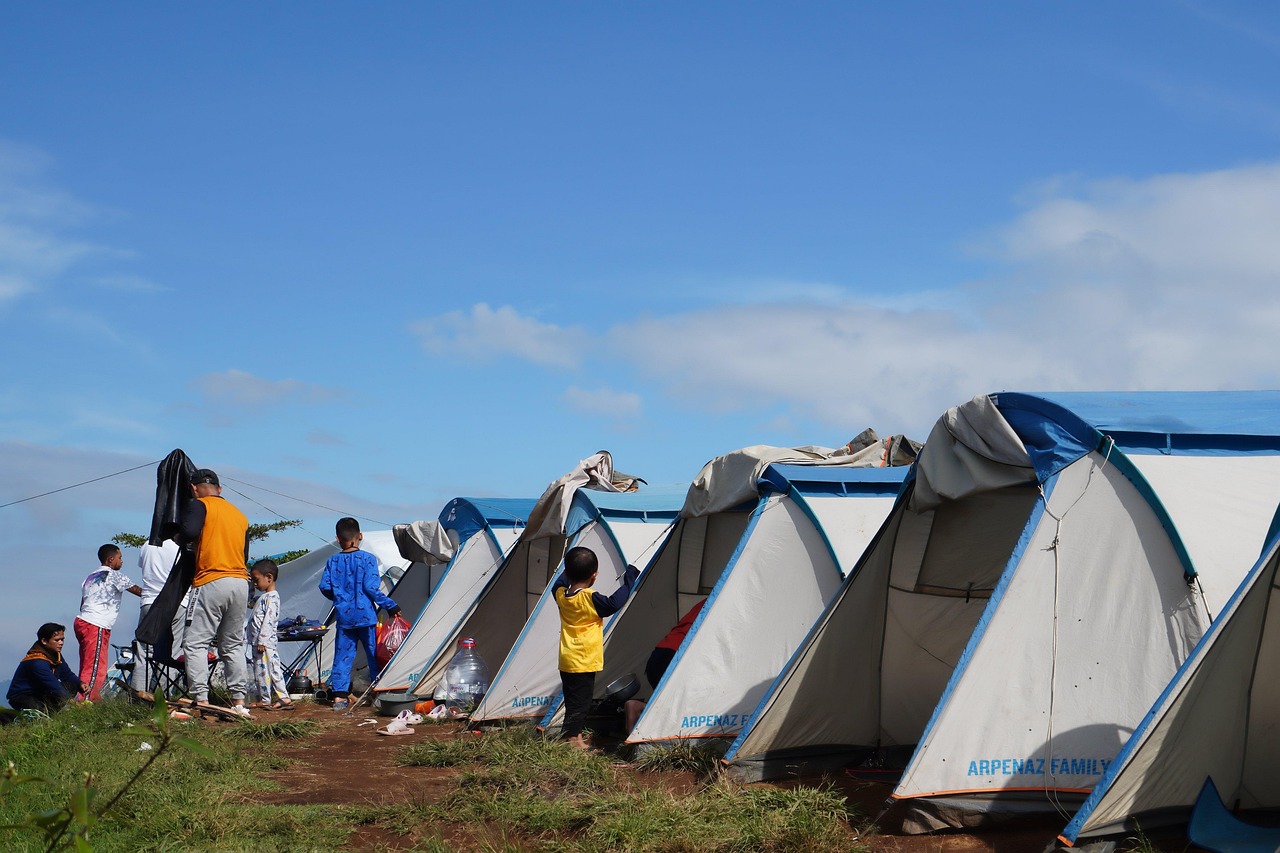
Our first coastal camping trip was a disaster in the way that only family trips can be. We arrived at a cliff-top site in the late afternoon, smug and well-organized, and by midnight we were chasing a tent across a field while the wind howled and the kids shrieked with a mix of terror and delight. We learned more that night than in a decade of camping inland. Here's what we'd tell anyone thinking about sleeping beside the sea.
Wind, Sand, and the Art of a Solid Pitch
Sea wind is not like other wind. It arrives with nothing to slow it down, and it changes direction when it feels like it. Choose a sheltered pitch if you can, but not so sheltered that you're under a cliff or in a hollow where water will pool if it rains. If the site offers a hedge or a wall as a windbreak, take it.
Pitch your tent with the lowest end facing into the prevailing wind, and use every guy line, even if the evening is calm. Stake everything down properly, including the corners of your groundsheet. If you're car camping, load the tent with your heaviest gear before you go to sleep, or better yet, bring a couple of extra pegs and a mallet that actually works on stony ground.
Sand gets into everything. It gets into the sleeping bags, the cooking pots, the socks, and somehow the toothpaste. Bring a small brush and a mat for outside the tent door, and accept that you will still find sand in your car six months later. It's part of the deal.
Damp is the other enemy. Coastal air is wet even when it isn't raining, so ventilation matters more than insulation on mild nights. Open the vents, and don't seal the tent up so tight that condensation soaks everything by morning.
Reading the Sea and Staying Safe
The sea is never far away when you're coastal camping, and that's the whole point, but it means safety needs a bit more thought than usual. Know the tide times for every day you're there, and know whether the tide comes in fast along your stretch of coast. Some beaches flood behind you before you notice. Check the route back from any beach walk at low tide, because the path you came down might be underwater by the time you want to leave.
Keep an eye on the weather forecast, especially wind, and be ready to pack up early if conditions turn. There's no shame in abandoning a night. We've done it twice, and both times it was the right call.
For kids, the sea at night is a whole different experience. Set clear boundaries about how far they can wander, and bring a torch for each of them. We like to do a short dusk walk together to watch the lights come on along the coast, then head back for hot chocolate and cards in the tent. The sound of waves just outside the canvas is the best lullaby there is.
Would we do it again? We already have. The disasters are the stories, and the good nights are the ones you remember forever.