
 A coastal walk with small children is less about distance and more about discovery, and a few adjustments make it work for everyone.
Tide Pool Treasure Hunt: Turning a Walk on the Rocks into a Family Adventure
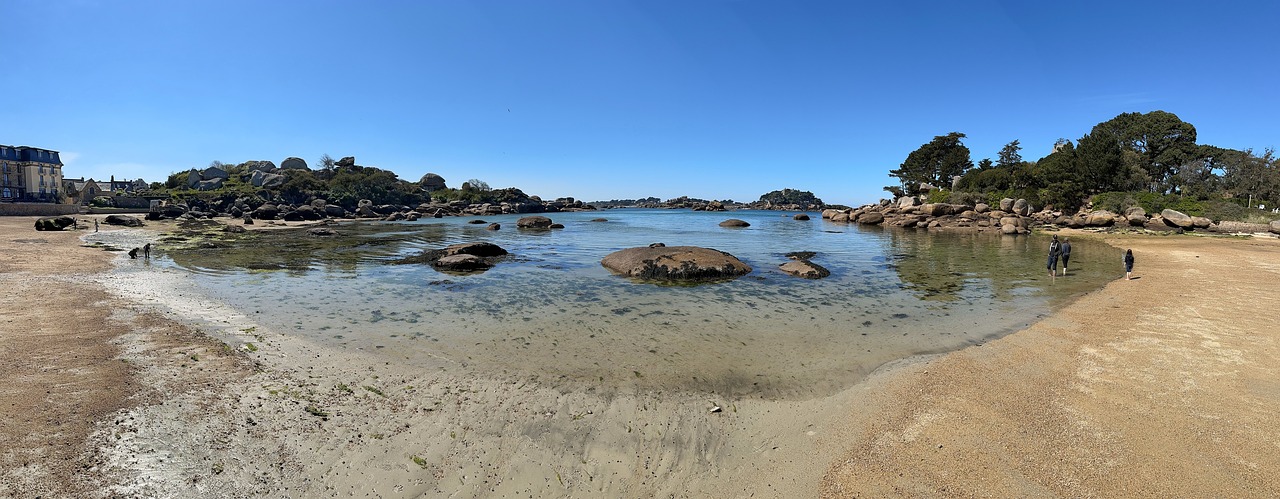
There's something about a rocky shore at low tide that turns even the most reluctant walker into an explorer. The moment my youngest spotted a tiny crab scuttling sideways into a crevice, the whole family was hooked. What started as a quick stroll along the coast turned into a two-hour treasure hunt, and we've been chasing that feeling ever since.
The secret is timing. Check a local tide table before you go — ideally you want to arrive an hour or so before low tide and have a good window either side. A gently falling tide is perfect because the water is still clear and the pools haven't dried out. Avoid spring tides that leave everything exposed too quickly, and never turn your back on the sea. On a rocky shore, waves can sneak up faster than you'd expect.
Footwear matters more than you'd think. Wellies with grip or old trainers you don't mind soaking are ideal. Flip-flops are a recipe for a slip, and bare feet are an open invitation to a cut from a barnacle. Bring a small bucket or a shallow tray, a magnifying glass if you have one, and a camera. That's genuinely it. You don't need fancy gear to make this magical.
What You Might Find (and How to Look)
Start by standing still and watching. Anemones look like dark blobs until they open into flower-like discs. Limpets clamp down tight but leave a tell-tale ring on the rock. Hermit crabs are the crowd-pleasers — my kids could watch them swap shells for hours. If you're lucky, you'll spot a starfish pressed against the side of a pool or a small fish darting for cover.
The golden rule is look, don't grab. We teach our kids to use cupped hands and wet fingers if they want to touch anything, and to always put creatures back exactly where they found them. A rock that's been flipped needs to go back the same way up, because whatever was living underneath needs the dark and the damp. It's a small act of respect that makes a big difference.
Making It Stick
Back home, we usually keep the adventure going with a quick sketch or a note in a little nature journal. Nothing formal — just a drawing of the strangest thing we saw and a line about where we found it. Over a season, that journal becomes a record of the coast in all its moods, and the kids love flicking back through it on rainy days.
What I love most about tide pooling is that it asks nothing of you except attention. No booking, no queue, no cost. Just a pair of boots, a low tide, and the willingness to crouch down and look at the world from a child's height. If you're new to it, start small — one pool, ten minutes, no agenda. The coast will do the rest.